Ecolab and General Mills are Basin Leaders for the California Water Resilience Initiative that supports communities impacted by climate-driven water stress
The California Water Resilience Initiative (CWRI) is transforming how business and community stakeholders address California’s water challenges, blending innovation with collective action.
CWRI, backed by major corporations including Ecolab and General Mills, is forging tangible change against the backdrop of climate-driven water stress and regulatory ambition.
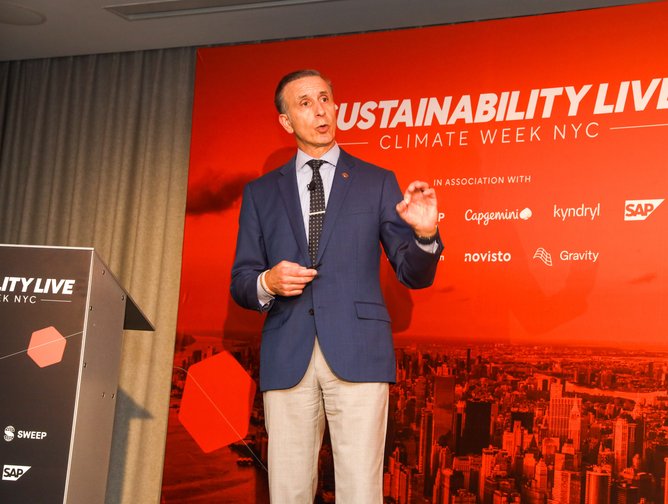
“Water resilience doesn’t only involve efforts to increase water supply and efficiency or conserve and reuse water,” says Emilio Tenuta, SVP and Chief Sustainability Officer at Ecolab.
“It also includes projects that deliver community impact.”
The California Water Resilience Initiative
Launched in 2023, CWRI is a private sector-led drive accelerating cross-sectoral action to build a water-resilient future for California.
It was created in response to predictions by state scientists of a 10% water supply gap by 2040 and has a central target to reduce, reuse and restore one million acre-feet of water by 2030.
Managed by Pacific Institute, with Ecolab as Basin Champion, General Mills as Basin Leaders and LimnoTech as technical advisor, CWRI harnesses corporate action for water positivity in California.Its strategy is rooted in impactful engagement, collaborative partnerships, and innovative solution-building to close the demand gap and secure reliable supplies for the future.
Water resilience in California
California’s water systems face mounting pressure from climate change, population growth, aging infrastructure and drought.
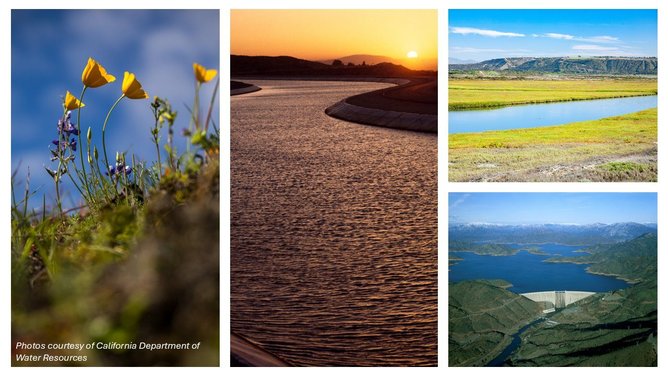
To tackle these, the state’s Water Resilience Portfolio embraces a diversified approach: maintaining and diversifying supplies, enhancing drought flexibility, strengthening ecosystem health and supporting frontline communities.
The state government champions regional adaptation, helping counties and cities not only reduce reliance on a single source but also diversify and modernize their water infrastructure. For example, Los Angeles County’s comprehensive adoption of resilience strategies is a model for other regions.
These efforts converge around several themes:
- Diversifying water sources – from groundwater, surface water, recycled water and stormwater capture.
- Building multi-benefit projects – like green infrastructure for water quality and flood resilience.
- Integrating equity and Indigenous knowledge – ensuring fair access and respect for Native communities in planning.
California’s water dependency
California’s historical dependence on snowpack and groundwater is increasingly unreliable under climate stress.
Severe droughts and shifting precipitation patterns are complicating supply, exacerbated by population growth, intensive agriculture, and industrial demand.
Key challenges include:
- Water supply-demand imbalance with the gap projected to widen by 2040.
- Infrastructure vulnerabilities – aging pipes, dams and irrigation systems.
- Contaminated and insufficient supply in disadvantaged communities.
Solutions include large-scale investments in water recycling, stormwater capture, groundwater restoration and efficiency upgrades in homes and businesses.
Partnerships between government, NGOs, tribes and corporations are vital for building consensus and unlocking resources.
Basin Leaders: Ecolab and General Mills
CWRI’s leadership is anchored by Ecolab, Basin Champion, and General Mills as Basin Leader. These sustainability giants have set industry benchmarks in water management through ambitious commitments and strategic collaborations.
Ecolab, a global leader in water, hygiene and infection prevention solutions, drives basin-level stewardship through technology innovation, green infrastructure, and partnerships. Its water restoration projects extend across California and the Southwest – most notably, supporting volumetric water benefits through local replenishment initiatives. Ecolab’s advocacy with global programmes and alliances encourages industry-wide improvements and best practice adoption.
General Mills complements local water action with enterprise-wide risk analysis and sustainable sourcing programmes. The company invests in watershed protection, upstream supply chain engagement and agricultural water efficiency. General Mills is positioned at the forefront of integrated corporate water responses, ensuring food production is not only sustainable but resilient to future shocks.
“General Mills and the food sector at large are inherently dependent on the earth and its natural resources, especially water,” says Mary Jane Melendez, Chief Sustainability and Global Impact Officer, General Mills.

“We can’t ignore the negative impacts climate change has had on the quality and availability of water in the past decade alone. Investing in water stewardship has become more important than ever for our business and the good of the planet.”
Both serve as exemplars – championing stewardship for CWRI and seeding projects that have measurable impacts on supply resilience, community well-being and regulatory adaptation.
Ecolab’s partnership with Esperanza Elementary School
A signature CWRI project is Ecolab’s collaboration with Esperanza Elementary School in Central Los Angeles.
Supported by Ecolab Foundation funding, this project will transform nearly 33,310 square feet of paved schoolyard into green space.
By installing native plants, trees and bioswales, the initiative will significantly reduce stormwater runoff, improve local water quality and lower flood risk in one of L.A.’s densest and most disadvantaged neighborhoods.
“Ecolab’s partnership with the Esperanza Elementary School is a prime example of how the California Water Resilience Initiative (CWRI) is having an impact on students, communities and the environment,” Emilio says.
“This project captures more than 52,000 gallons of stormwater annually and has created shaded, biodiverse outdoor learning spaces in one of LA’s most park-poor neighborhoods.
“By bringing public, private and nonprofit groups together, we’ve helped build resilience and are driving measurable water benefits to create lasting change in this community.”
Source: https://sustainabilitymag.com/