
As AI, sustainability demands and global shifts reshape the energy, utilities and resources sector, PwC says CEOs face growing pressure to reinvent
The 28th Annual PwC Global CEO Survey says that leaders in the energy, utilities and resources (EUR) sector recognise an urgent need for reinvention as they navigate a rapidly evolving global landscape.
The sector is being reshaped by the accelerating adoption of AI, growing pressure to be more sustainable, ongoing geopolitical tensions and other factors that are redefining how value is created and sustained.
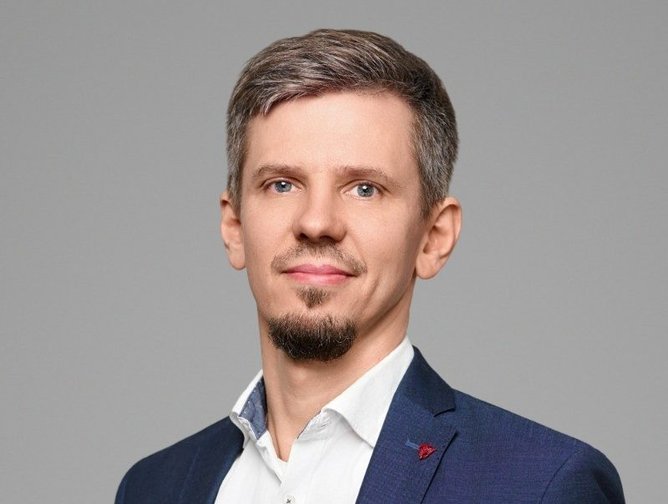
Maxim Vykhovanets, Country Managing Partner and Energy, Utilities & Resources Leader at PwC in Ukraine, says: “The need for reinvention will be intensified by emerging challenges which, alongside risks, also bring new benefits and opportunities.
“These can significantly enhance productivity through automation, AI, 3D printing and other disruptive technologies.
“Further opportunities lie in improving sustainability and circularity in response to climate change.”
The accelerating pace of change demands faster, more agile decision-making, according to PwC.
Yet in a capital-intensive industry defined by long investment cycles, strategic choices must often be made years in advance.
Some CEOs are already capitalising on generative AI (Gen AI) and the low-carbon transition, while others remain constrained by legacy processes and leadership mindsets.
This risks stagnation in an era that, PwC says, rewards reinvention.
Climate investments driving revenue
For many companies in the EUR sector, climate action is proving to be good business.
According to the survey, 17% of EUR companies report reduced costs from climate-friendly investments, while 37% have seen increased revenues.
Across industries, PwC finds these investments were six times more likely to boost revenue than to reduce it.
Around two thirds of CEOs in the survey say such initiatives have lowered costs or had no significant financial impact.
The financial outcomes vary by region. Roughly half of CEOs in Germany and France report higher costs from climate-friendly investments, compared with only a fifth in the US.
By contrast, CEOs in Mainland China are far more likely to see additional revenues (60%) and government incentives (46%).
After adjusting for geography, PwC found that climate-friendly investments correlate with higher profit margins.
Investor sentiment supports this direction: nearly 70% believe companies should invest in sustainability even at the expense of short-term profits.
Gen AI revenue and profitability
Expectations for Gen AI remain high among global business leaders.
According to PwC’s survey, a third of CEOs report that Gen AI has already increased revenue and profitability over the past year, while half expect their investments in the technology to boost profits in the year ahead.
Only two years after Gen AI entered into executives’ remits, companies around the world are adopting it at scale and the survey shows that many are already seeing tangible benefits.
More than half of CEOs (56%) say Gen AI has improved how employees use their time, while 32% say it increases revenue and 34% cite profitability.
Although these outcomes fall slightly short of last year’s expectations, optimism remains strong: 49% of CEOs expect Gen AI to increase profitability over the next 12 months.
These results align with PwC’s Global Workforce Hopes and Fears Survey in 2024, which found 62% of employees expected Gen AI to make them more efficient.
PwC’s Global Investor Survey 2024 found that two thirds of investors and analysts anticipate productivity gains from Gen AI in the year ahead.
While 13% of CEOs report reduced headcount linked to Gen AI, 17% say their workforce has actually grown as a result of these investments.
Looking forward, nearly half of CEOs identify integrating AI, including Gen AI, into technology platforms, processes and workflows as a top priority over the next three years.
However, just one third plan to embed AI into workforce and skills strategies.
Source: https://sustainabilitymag.com/