
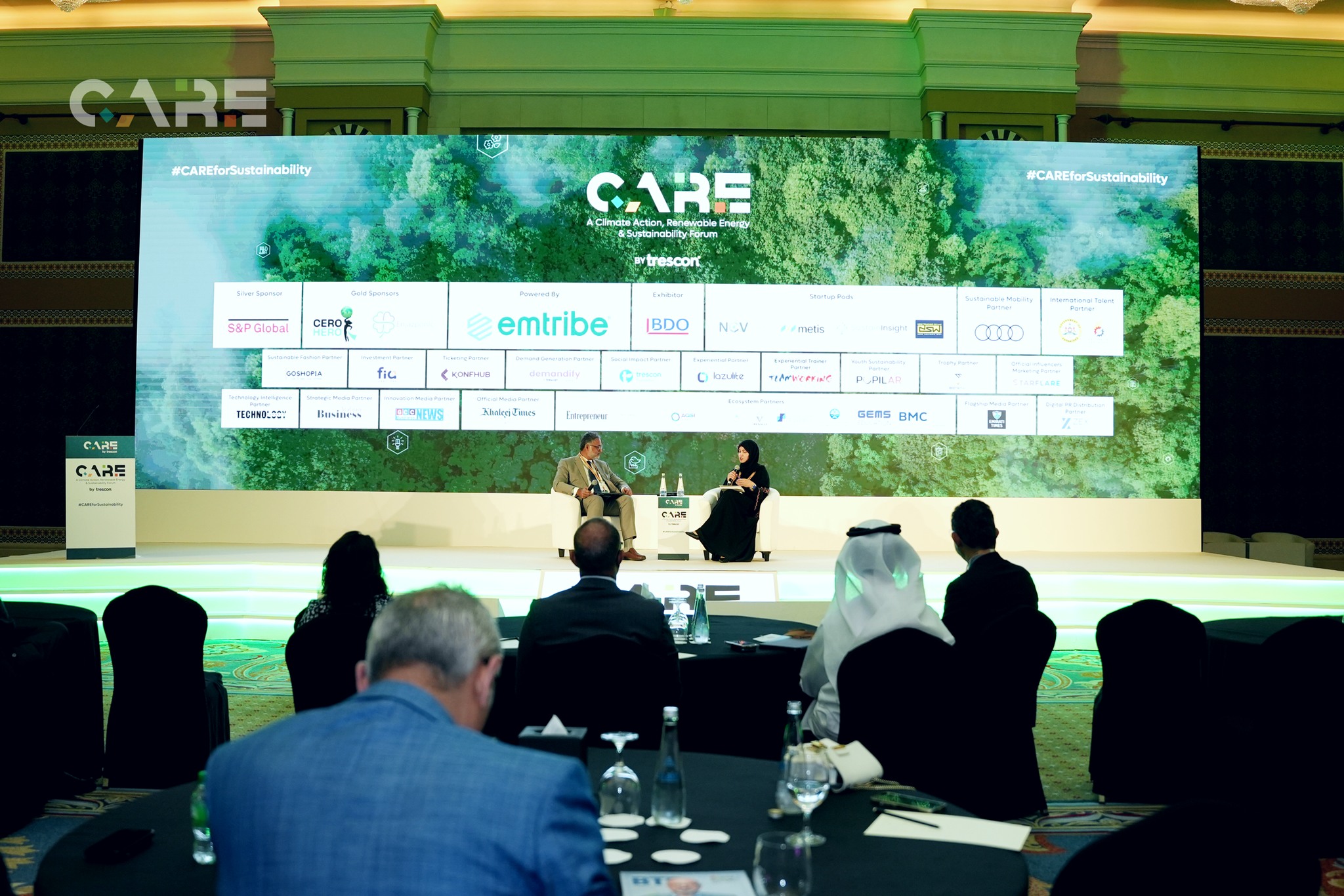
Dubai, UAE — At CARE MENA 2025, the conversation on sustainability governance seamlessly transitioned into one of the region’s most promising — yet underleveraged — opportunities: mobilizing climate capital through Islamic finance.
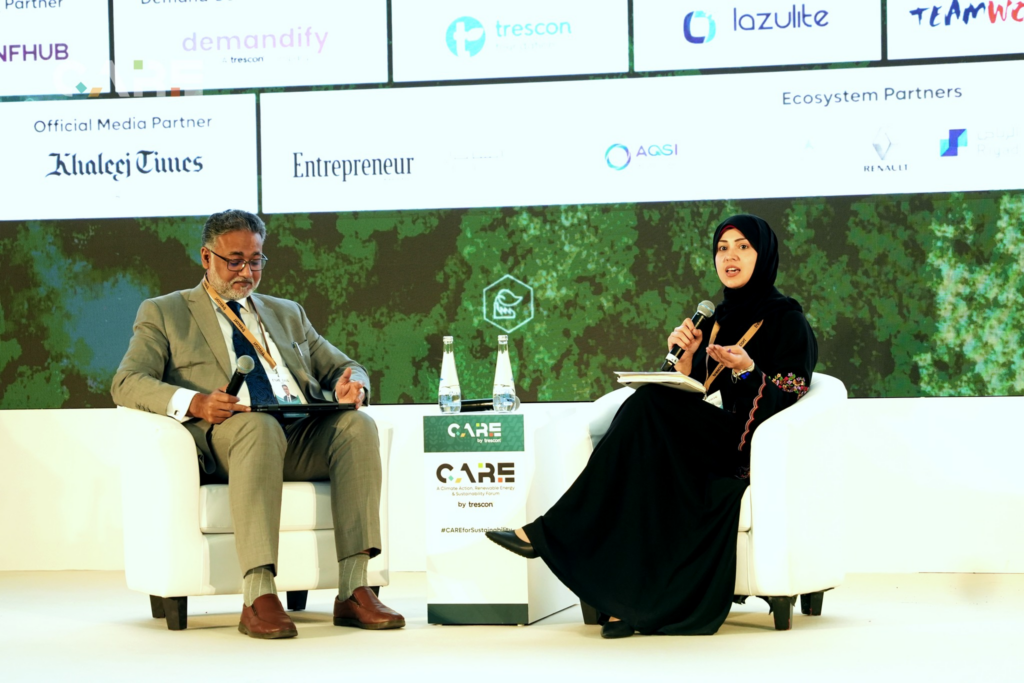
In a dynamic session, Dr. Adnan Aziz, Chief Program Officer at the Global Islamic Finance Impact Program for Climate, Nature, and Development, joined Naveen Raza, Net Zero Transition & Partnerships Lead at HSBC, to examine how principles-based finance can unlock climate solutions where traditional investment mechanisms have fallen short.
Islamic Finance: Not an Alternative — a Transformative Model
The session underscored a compelling insight:
Islamic finance is not trying to catch up to green finance. It is offering a parallel, principles-driven model that is inherently aligned with sustainable development.
Speakers highlighted how core ethical foundations in Islamic finance — including the prohibition of harm (no negative externalities), equitable distribution, and asset-backed financing — directly support climate-positive investment.
These principles naturally complement sustainability objectives such as environmental stewardship, social equity, and responsible economic growth.
Where the Real Opportunity Lies: Operationalizing at Scale
While the philosophical compatibility between Islamic finance and sustainability is well understood, the panel explored the real challenge — and opportunity — ahead:
Scaling Islamic Climate Finance Through Practical Mechanisms
The discussion spotlighted key pathways to expansion:
- Blended finance structures that combine philanthropic capital, concessional funding, and commercial investment
- Green sukuk markets capable of channeling large-scale capital into renewable energy, water security, resilient infrastructure, and nature-based solutions
- Impact measurement frameworks designed to satisfy both Sharia compliance and investor performance expectations
- Ecosystem partnerships that bridge traditional finance, Islamic institutions, regulators, and sustainability experts
- Capacity building and global collaboration to mainstream Islamic climate finance across emerging markets
Dr. Aziz emphasized that unlocking Islamic finance at scale could mobilize billions toward climate, nature, and development priorities — particularly in regions where conventional instruments have limited reach.
A Turning Point for Global Climate Finance
The panel concluded with a decisive message:
Islamic finance is not a niche contributor to sustainability — it is a powerful, values-aligned system capable of driving transformative climate action.
As global markets push for solutions that combine ethical principles, measurable impact, and financial performance, Islamic finance is emerging as a model uniquely positioned to deliver all three.
Stay tuned for more insights from CARE MENA 2025.
More information: careforsustainability.com
#CARE2025 #CAREMENA #IslamicFinance #ClimateFinance #SustainableFinance #GreenSukuk #ImpactInvestment #NetZero #Dubai #ESG