
Key Takeaways
- The Solar Energy Self-Supply Policy allows Abu Dhabi residents to generate electricity using solar panels and water heaters.
- Property owners can install battery storage systems for excess energy, while remaining connected to the electricity grid.
- The policy aims to enhance renewable energy use and improve electricity efficiency, supporting the Energy and Water Efficiency Strategy 2030.
- The initial phase focuses on the agricultural sector, providing technical guidance for efficient energy use.
- The Department of Energy emphasizes a structured framework for renewable energy self-generation in Abu Dhabi.
The Solar Energy Self-Supply Policy has been introduced by the Abu Dhabi Department of Energy (DoE). The regulation allows customers to generate electricity using solar photovoltaic systems. The announcement was made in February 2026. The policy applies across the emirate.
Solar Energy Self-Supply Policy Framework
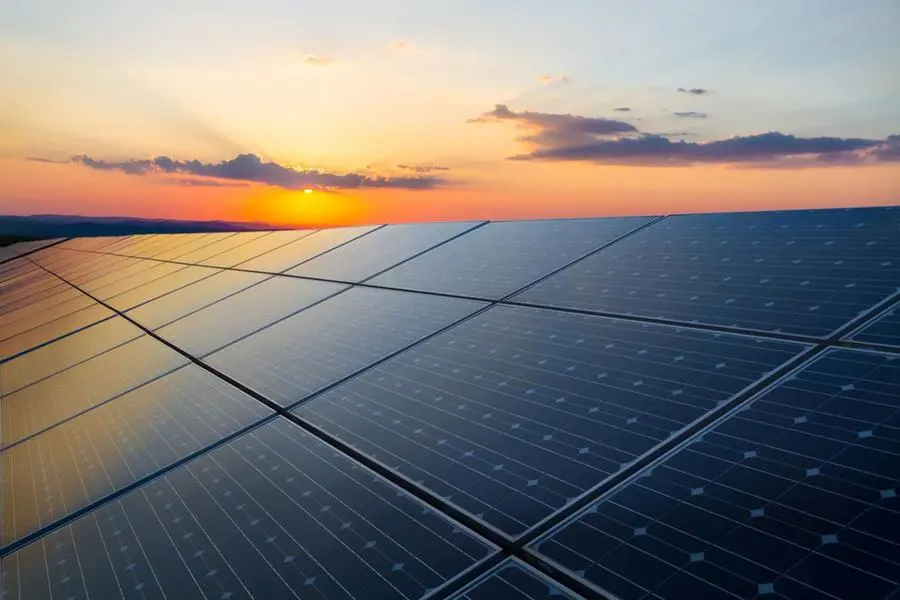
The Solar Energy Self-Supply Policy enables property owners to install solar panels for on-site electricity production. Power is generated mainly during daylight hours. Solar water heaters are also permitted. Battery storage systems can be installed to store excess electricity. Stored energy may be used later in the day.
Customers remain connected to the electricity grid. Grid supply continues to be available when needed. The framework allows both self-generation and grid consumption under regulated conditions.
Goals of the Solar Energy Self-Supply Policy
The policy supports Abu Dhabi’s Energy and Water Efficiency Strategy 2030. It promotes renewable energy use within the emirate. The regulation aims to improve electricity efficiency during peak daylight periods. It also supports grid stability and energy security.
The Department of Energy confirmed that additional sustainability measures will be introduced during 2026. The policy forms part of a broader regulatory strategy.
Initial Implementation of the Solar Energy Self-Supply Policy
The first phase focuses on the agricultural sector. Farms, ranches, and rest houses are included. Many of these facilities operate outside dense urban areas.
A technical guidance manual will accompany the policy. The document will outline standards for efficient cooling systems, lighting, irrigation pumps, and other equipment. The manual is intended to support responsible energy management.
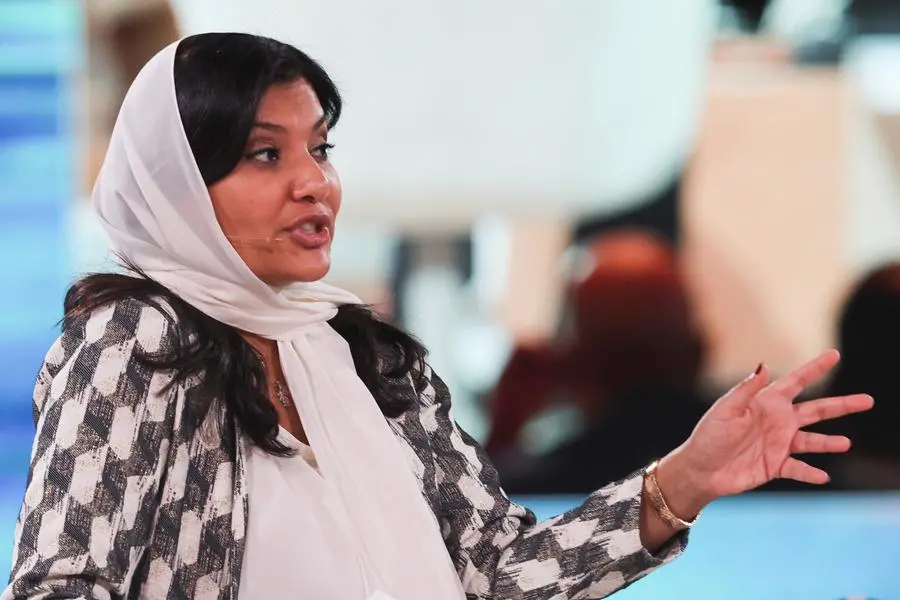
Abdulaziz Mohammed Al Obaidli, Director General of Regulatory Affairs at the DoE, stated that the policy establishes a structured framework for renewable energy self-generation in Abu Dhabi.
Source: https://www.zawya.com/en/business/energy/abu-dhabi-launches-solar-energy-self-supply-policy-ajdlzwv8