
Key Takeaways
- A water conservation bond worth 2 billion rand aims to fund environmental restoration in South Africa’s water catchment areas.
- The bond will finance restoration activities like removing invasive species and improving water retention in critical ecosystems.
- It uses an outcome-based financing structure linking investor returns to measurable environmental results.
- South Africa faces severe water security challenges due to climate change, population growth, and a significant funding gap.
- This bond seeks to attract private capital for sustainable water management and restoration efforts.
A water conservation bond worth 2 billion rand (about $122 million) is being developed by South African financiers. The financial instrument aims to fund environmental restoration projects in strategic water catchment areas. The initiative focuses on protecting ecosystems that supply freshwater to cities, farms, and industries. The project is supported by Rand Merchant Bank and the Development Bank of Southern Africa. The bond is expected to run for five years. Funding will be directed toward ecological restoration rather than traditional water infrastructure.
Water Conservation Bond Targets Catchment Restoration
The water conservation bond will finance restoration work in critical water catchment areas. These regions include mountains, wetlands, and river headwaters. Catchments play an important role in collecting and regulating freshwater supplies. Restoration activities will focus on improving natural water systems. Planned work includes removing invasive plant species and restoring native vegetation. These efforts aim to improve water retention and stabilize ecosystems. Healthier catchments can support more reliable water flows to downstream communities and industries.
Financing Structure of the Water Conservation Bond
The water conservation bond is designed as an outcome-based financing instrument. Investor returns will depend on environmental results achieved by the projects. Performance indicators may include the size of land restored and improvements in ecological conditions. This financing structure links investment returns to measurable environmental outcomes. The model encourages accountability and performance monitoring. Financial institutions and conservation organizations will coordinate implementation and measurement of results.
Water Security Challenges in South Africa
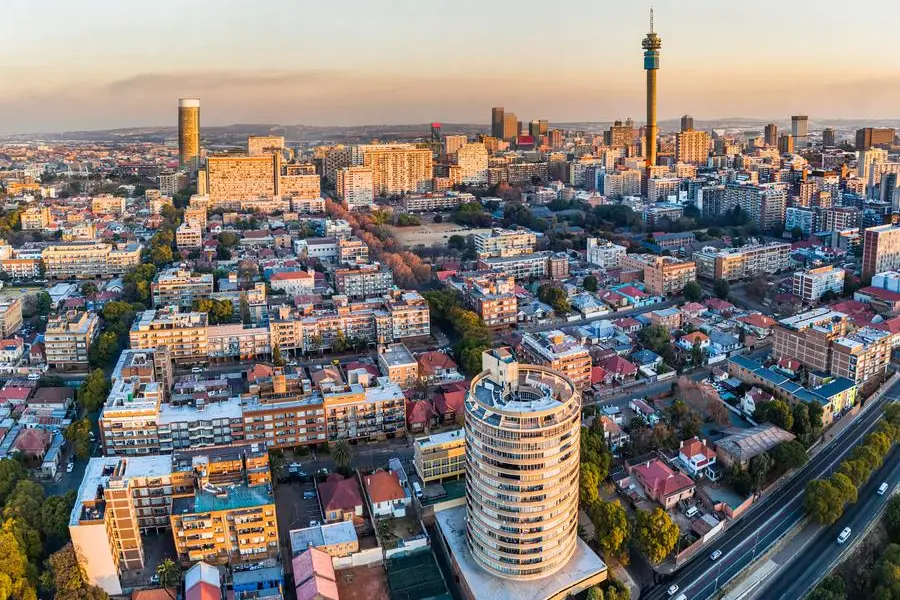
South Africa faces growing pressure on its water resources. Climate variability and drought have increased water shortages in several regions. Population growth and economic demand have also increased pressure on available water supplies. Studies by the Development Bank of Southern Africa estimate that about 256 billion rand must be invested in the water sector each year until 2050. Current spending levels are significantly lower. This leaves an estimated annual funding gap of about 91 billion rand.
The water conservation bond aims to attract private capital to support environmental restoration and water security initiatives. The initiative also introduces nature-based solutions into water management financing. If successfully issued, the bond could support future sustainable finance projects in South Africa.