
Key Takeaways
- UAE clean energy investments are positioning the country as a leader in the global transition to a low-carbon future.
- The UAE is heavily investing in renewable projects worldwide, particularly through companies like Masdar and ADNOC.
- These investments help reduce emissions and support international markets in developing clean energy infrastructures.
- Strategic partnerships enable the UAE to co-develop projects and share expertise, accelerating the energy transition.
- UAE clean energy investments create new business opportunities and highlight the importance of cooperation in addressing climate change.
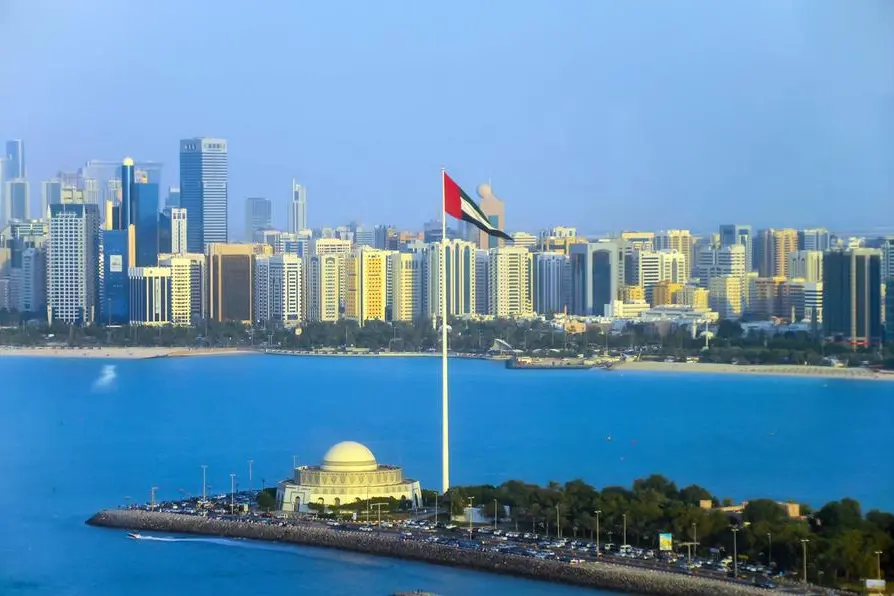
The rise of UAE clean energy investments is positioning the country as a major force in the global transition to a low-carbon future, with expanding projects and funding across international markets.
Expanding Global Renewable Energy Projects
The UAE is strengthening its role in clean energy by investing heavily in renewable projects around the world. Through major players like Masdar and ADNOC, the country is backing solar, wind, and other low-carbon initiatives across multiple continents.
These investments are not limited to domestic projects. Instead, the UAE is actively targeting international markets, helping to scale renewable energy capacity in regions that are still developing their clean energy infrastructure.
This global approach reflects a strategic shift. The UAE is moving beyond oil dependence and positioning itself as a long-term leader in sustainable energy.
UAE Clean Energy Investments Accelerate Energy Transition
The growth of UAE clean energy investments is playing a key role in accelerating the global energy transition. By funding large-scale renewable projects, the country is helping reduce emissions while increasing access to clean power.
Masdar, in particular, has set ambitious targets to expand its renewable portfolio significantly by 2030. The company is focusing on solar, wind, and green hydrogen, all of which are critical to decarbonizing energy systems.
These investments also support innovation and technology transfer, enabling faster adoption of advanced clean energy solutions in different regions.
Strategic Partnerships and International Collaboration
Partnerships are central to the UAE’s clean energy strategy. The country is working with governments, private sector players, and international organizations to co-develop projects and share expertise.
This collaborative approach helps reduce risks, attract financing, and accelerate project timelines. It also ensures that renewable energy projects are tailored to local needs while benefiting from global experience.
In many cases, UAE-backed projects are helping emerging markets leapfrog directly to cleaner energy systems without long-term reliance on fossil fuels.
Why This Matters for the Future of Energy
The UAE’s growing investment footprint highlights a broader shift in global energy dynamics. Oil-producing nations are increasingly diversifying their economies and investing in sustainable solutions.
For businesses, this creates new opportunities in renewable energy, green infrastructure, and clean technology. For policymakers, it reinforces the importance of cross-border cooperation in tackling climate change.
Most importantly, it shows that large-scale capital investment is flowing into clean energy, which is essential for meeting global climate targets.
Conclusion:
UAE clean energy investments are helping shape the future of global energy. By expanding renewable projects and strengthening international partnerships, the country is playing a key role in driving the transition toward a more sustainable and resilient energy system.