
Key Takeaways
- The Stegra green steel project in northern Sweden seeks over $23 billion in funding for construction and development.
- This project aims to produce steel with lower carbon emissions by using hydrogen instead of coal, powered by renewable energy.
- Stegra has already raised billions but needs additional investment to complete the facility and its energy infrastructure.
- Once operational, the plant will produce millions of tonnes of steel annually, contributing to the decarbonization of heavy industry in Europe.
- Founded in 2020, Stegra was previously known as H2 Green Steel and focuses on hydrogen-based, low-emission steel production.
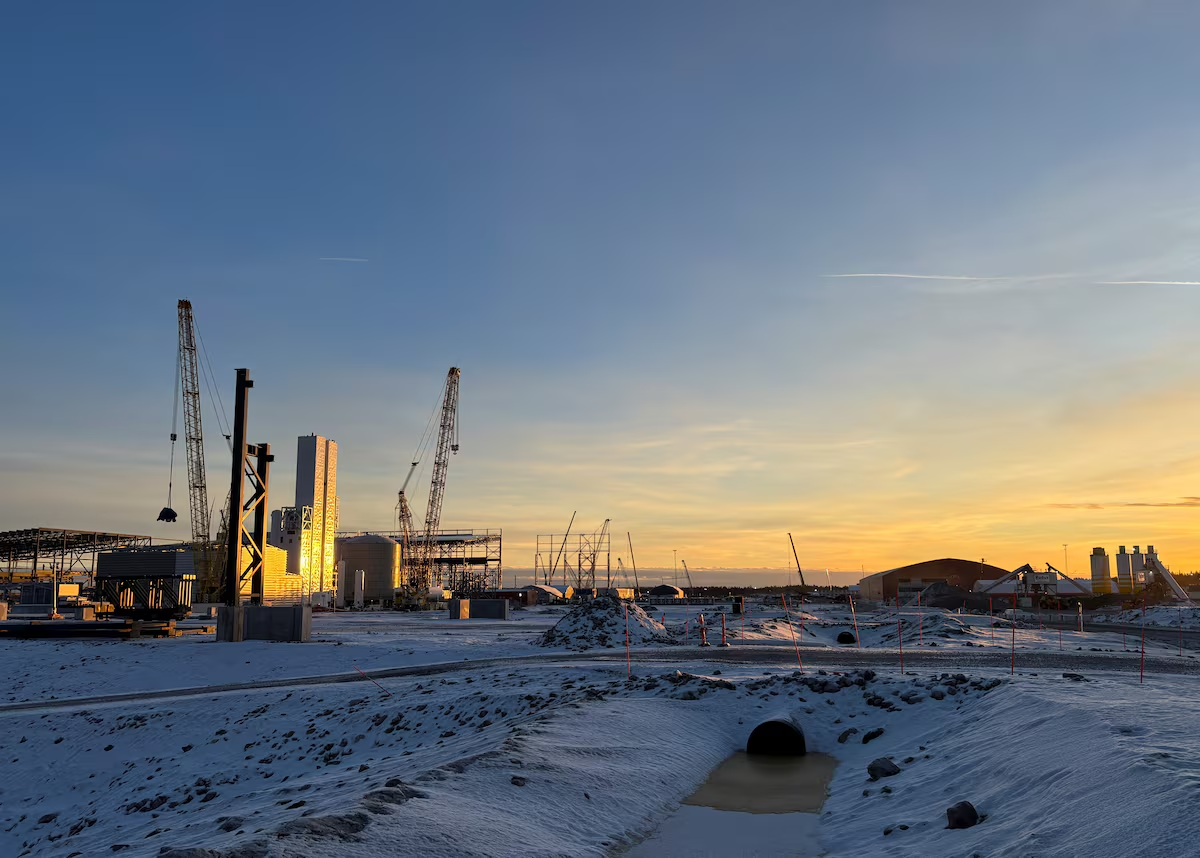
The Stegra green steel project in northern Sweden is seeking more than $23 billion in funding to support construction and development. The financing effort aims to complete a large industrial facility designed to produce steel with significantly lower carbon emissions. The project is located in Boden, a town in northern Sweden.
Stegra is developing a major industrial complex that combines hydrogen production, iron processing, and steel manufacturing in one location. The facility is intended to reduce emissions linked to traditional steelmaking methods. The Stegra green steel project plans to replace coal with hydrogen generated from renewable electricity.
The company is attempting to secure additional capital from investors and lenders. Earlier funding rounds already raised billions of euros through equity, debt financing, and public support programs. The new financing would help cover remaining construction and infrastructure costs.
Funding Plans for the Stegra Green Steel Project
Stegra requires large investments to complete the industrial facility and its energy infrastructure. According to reports, the company is seeking more than $23 billion to fund the full scale of the project.
The investment covers several major components. These include hydrogen production facilities powered by renewable energy, iron processing plants, and steel manufacturing systems. Supporting infrastructure at the Boden site also requires significant capital.
Previous financing packages included contributions from investors, banks, and government programs. These funds helped begin construction and development of the industrial site. However, additional funding is necessary to complete the full project.
Hydrogen Technology in the Stegra Green Steel Project
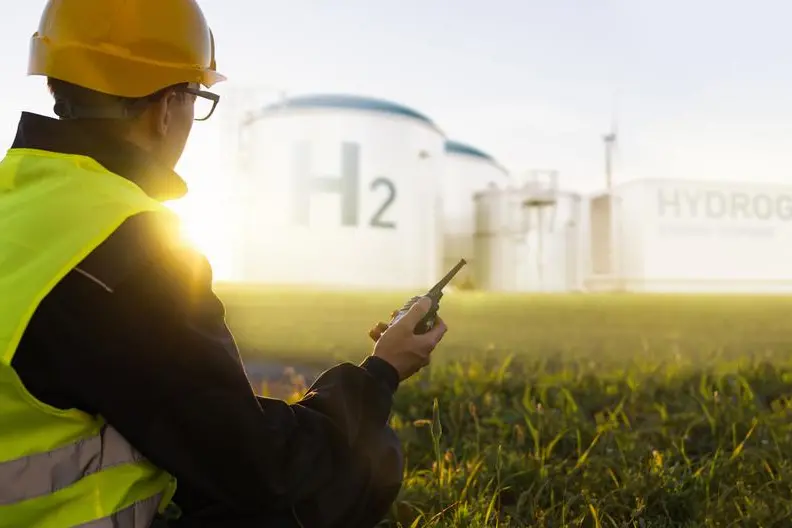
The Stegra green steel project plans to use hydrogen instead of coal during steel production. Hydrogen will be produced using renewable electricity sources. This hydrogen will then be used in the iron reduction process.
Traditional steel production relies on coal-based blast furnaces. These methods generate large amounts of carbon dioxide emissions. Hydrogen-based processes are designed to reduce these emissions significantly.
The project integrates hydrogen production directly into the industrial complex. This allows the facility to supply its own fuel for steelmaking operations.
Expected Output and Industrial Impact
Once operational, the plant is expected to produce several million tonnes of steel each year. Production is planned to begin later in the decade after construction is completed.
The Stegra green steel project is part of broader efforts to decarbonize heavy industry in Europe. Steel production remains one of the largest industrial sources of carbon emissions worldwide.
Stegra was founded in Sweden in 2020. The company focuses on technologies related to hydrogen, iron processing, and low-emission steel production. It was previously known as H2 Green Steel before adopting the Stegra name.
The project aims to demonstrate large-scale hydrogen-based steel manufacturing at an industrial level.