
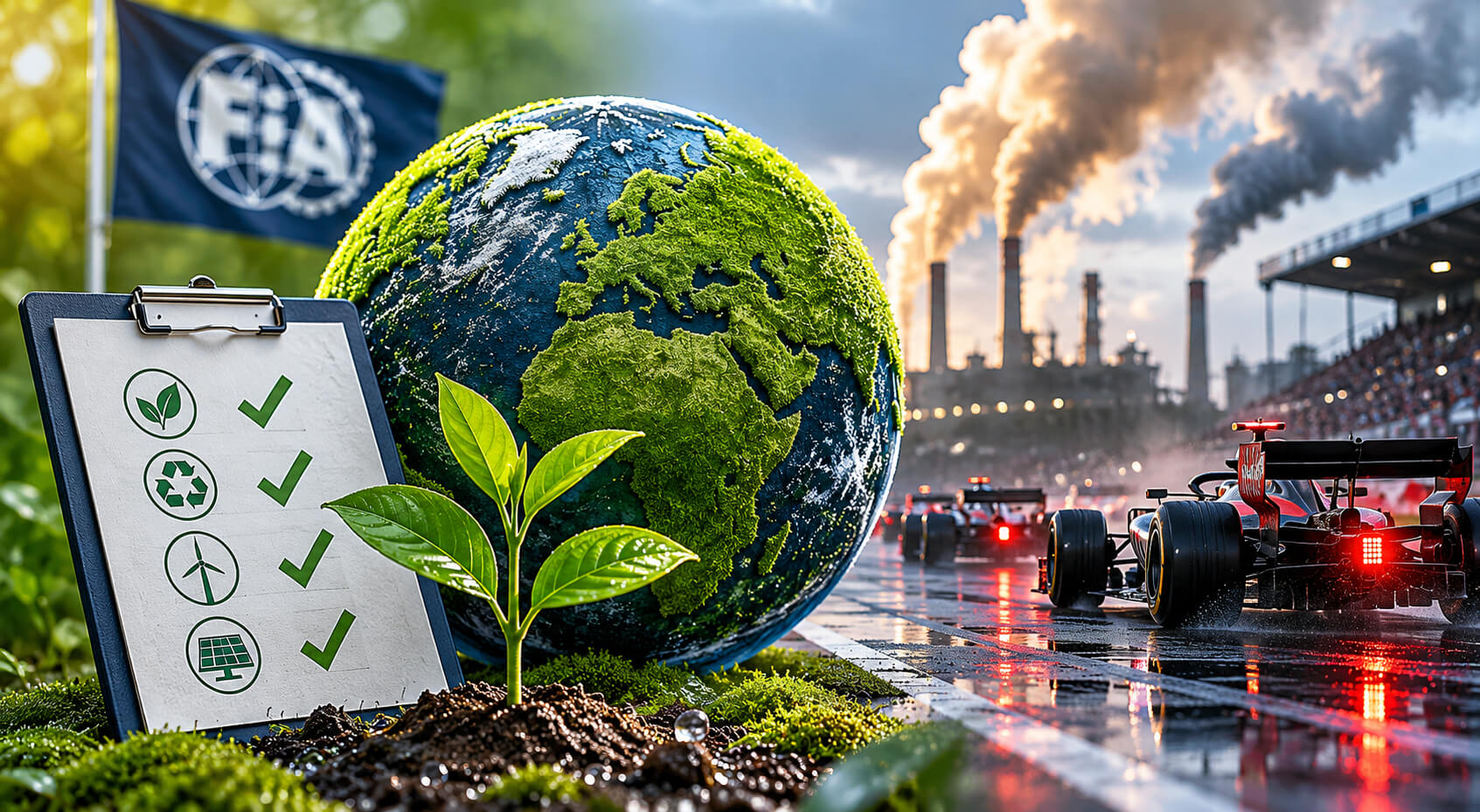
According to an update from the Fédération Internationale de l’Automobile, more than 260 organisations have gained FIA Environmental Accreditation Programme status. This milestone highlights the success of the FIA’s sustainability strategy across motorsport and mobility activities. The update was made as part of the FIA’s 2025 Sustainability and Diversity & Inclusion report.
FIA notes that this accreditation scheme experienced a 37% year-over-year growth, driven by 70 new accreditations, 33 renewals, and nine upgrades. The FIA Environmental Accreditation Programme allows member clubs, championships, and events to measure, manage, and reduce their environmental footprint.
FIA Grants for Sustainability Increase
Additionally, FIA increased its grants for sustainability projects by 24% up to €340,000. The funding is aimed at reducing carbon emissions, protecting biodiversity, promoting mobility access, and sustainability education.
Moreover, this year FIA became one of the first motoring organisations to introduce technical and safety regulations for liquid hydrogen-powered cars.
FIA Member Survey Shows Support for Sustainability Efforts
A separate FIA member survey showed widespread support for environmental sustainability efforts. 90% of accredited member clubs confirmed that the FIA Environmental Accreditation Programme had strengthened their sustainability goals, added business value, and improved environmental leadership in the market. Also, 86% of clubs which were not yet accredited noted that sustainability remains one of the top priorities for their organisations.
Increase in FIA Emissions
Meanwhile, FIA reported a year-over-year growth in its carbon emissions by 16%. According to FIA, the emission increase was caused by higher staffing, opening a new London office, and higher emissions associated with travel related to meetings, conferences, and assemblies.
FIA stressed that the emission increase does not indicate any slowing of its sustainability efforts. The emission increase highlighted the need for a focused reduction strategy with respect to logistics, travel, events, procurement, and collaborations within the wider industry.
Decrease in FIA Logistics Emissions
Notably, despite the growth in total emissions, the FIA’s emissions associated with logistics decreased year-over-year by 2%. FIA attributed this decrease to the introduction of HVO-fuelled DHL trucks during the European race calendar. The organisation also reported a 22% decrease in the FIA logistics footprint due to increased investment in sustainable aviation fuels.
Why Does It Matter?
While the FIA’s efforts in expanding the Environmental Accreditation Programme and other sustainability strategies show clear determination among the motoring community, its carbon emissions increase raises questions about the effectiveness of those efforts.
For motorsport in particular, it will be interesting to see how the accreditation, clean logistics, alternative fuel vehicles, and sustainable event management can reduce total emissions even when the sport expands further globally.