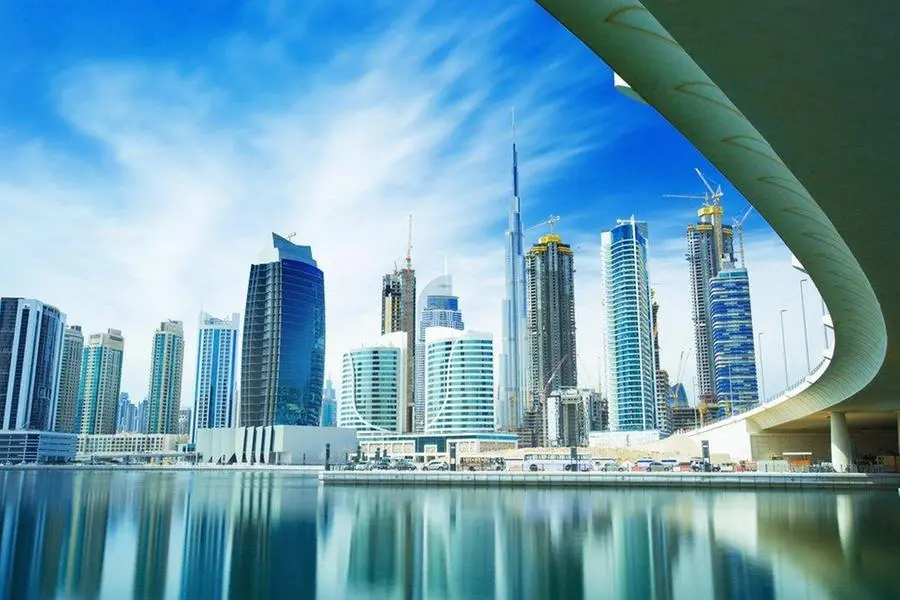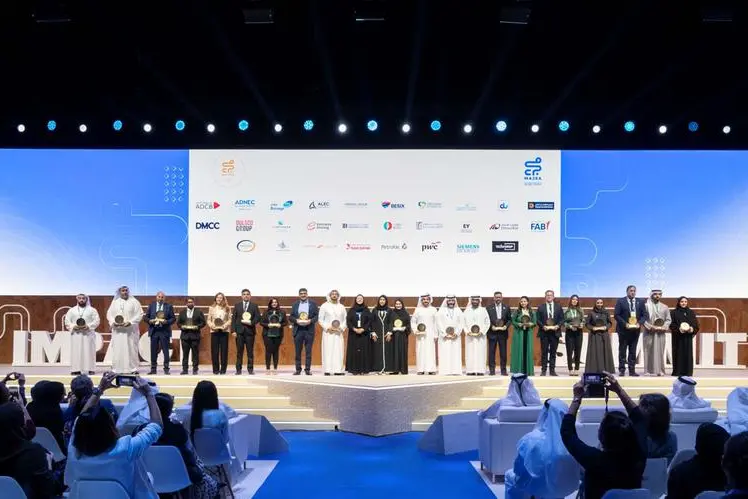

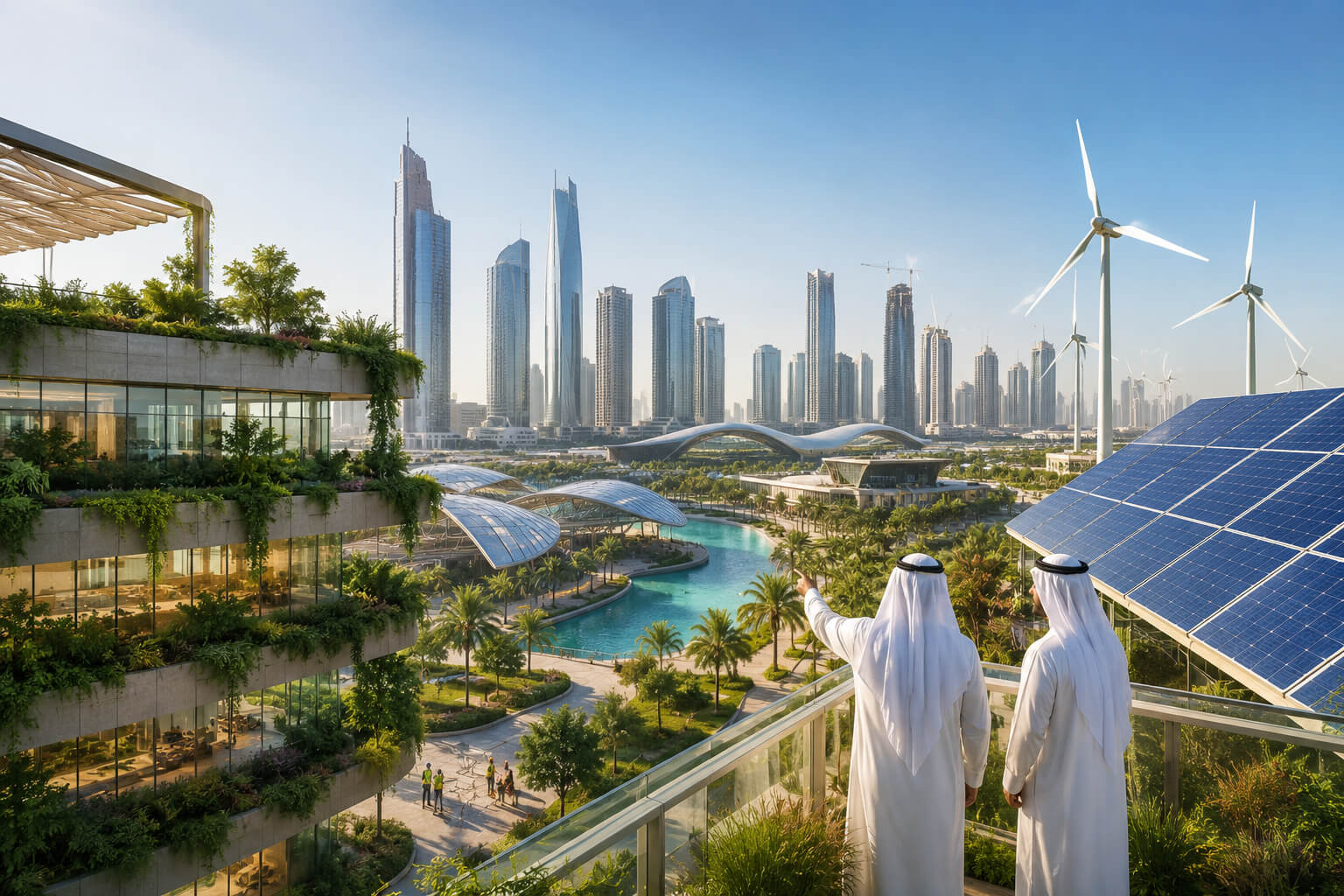
Environmental protection and sustainability remain top issues for Saudi Arabia and other countries in the Gulf Cooperation Council. In the coming period, sustainability in the region will likely move from high-level promises to more tangible results.
As Arab News explains, projects in Saudi Arabia and other GCC states will need to be based on the implementation of sustainability at the project level. To this end, new governance systems, frameworks, and technology solutions will be necessary.
Embedding Sustainability Requirements into Projects
In the past, sustainability was viewed by many organizations as a corporate and government priority, rather than something that should be embedded in every project. Now, this approach is changing. According to Arab News, sustainability should be incorporated in projects right from the start – as opposed to added to reports later.
Experts note that sustainability cannot be considered separately from the design and procurement stages. If such requirements are added after these stages, achieving sustainability goals becomes harder and less efficient.
As project sustainability expert Dr. Joel Carboni explains, the problem is usually associated with the lack of governance systems that connect sustainability objectives and project delivery processes. Moreover, traditional project evaluation criteria – such as cost, schedule, and scope – do not encourage project managers to focus on sustainability performance.
Performance Gap Between Sustainability Plans and Outcomes in Saudi Arabia
Sustainability and environmental protection play a significant role in the implementation of the Saudi Arabian Vision 2030. Nevertheless, environmental performance indicators reveal the existence of a gap between infrastructure development plans and environmental achievements.
As stated in Arab News, the country ranks 108th in the Yale Environmental Performance Index. Meanwhile, the target for Vision 2030 is 70th place in this ranking. Thus, achieving higher environmental performance remains a challenge.
It is not only Saudi Arabia that faces this type of problem. Arab News cites the results of PMI research indicating that 35% of senior executives regard a gap between planning and execution as the largest barrier to successful project completion.
Project Management Frameworks Aid Sustainability Implementation
Another notable trend related to GCC sustainability projects is the application of project management frameworks to address environmental and social challenges.
According to Arab News, the P5 Standard for Sustainability in Project Management includes several categories of factors to consider in this context. They relate to social, environmental, and economic aspects of projects. Such factors include procurement practices, resource usage, emissions, waste, and community impacts.
With this framework, project management teams may ensure sustainability along with monitoring cost and schedule performance. Moreover, sustainability goals can be evaluated throughout the project duration as a result. Teams can define baselines, threshold values, verify sustainability metrics, and even conduct audits.
Water Infrastructure in the Gulf Requires Special Attention
Water production facilities are among the main infrastructure types in the Gulf region due to the high demand for water and the prevalence of desalination plants.
According to Arab News, such facilities in Saudi Arabia use operational intelligence systems to monitor pressure, flow rate, chemical usage, energy consumption, and water recovery in real-time. For instance, SAWACO Water Group applies such approaches to enhance efficiency, maximize water recovery, and minimize environmental impacts.
Counter Flow Reverse Osmosis and Bi-Turbo systems are employed to achieve these goals, while monitoring software tracks key sustainability-related metrics. Thus, the company monitors energy consumption, water recovery rate, emission generation, and performance indicators verified with data.
Technological Challenges Remain
Innovation plays a vital role in sustainability and environmental protection in the GCC region. The main priorities include low-carbon construction materials, better insulation, advanced desalination membranes, and more robust infrastructure solutions.
However, the challenge is no longer related to scientific achievements in the field. The key challenge is scaling innovative technological products to be able to deploy them widely under extreme conditions in the region.
KAUST researcher Osamah Al-Harbi emphasizes that the gap between innovation and implementation is currently growing, thus making sustainability implementation a challenge.
Examples from Regional Projects
Some GCC projects have already demonstrated the way sustainability should be implemented in the next period. For instance, Arab News mentions sustainability-based planning and execution at Expo City Dubai and the development of NEOM’s water infrastructure.
In the latter case, renewable-powered desalination and 100% water recycling will be implemented in the project.
Conclusion
As noted earlier, the GCC is actively developing in terms of cities, transport, energy supply, tourist industry, water, and industrial infrastructure. As such infrastructure grows, its sustainability will matter increasingly.
Thus, Saudi Arabia and other GCC states will have to focus on the implementation of sustainability plans and measures in reality, rather than in theory. In particular, it will be necessary to integrate environmental performance into project design, procurement, financing, construction, and operation.