
Kenya’s electric vehicle market is moving into a more practical phase. The conversation is no longer just about cleaner transport or new technology. Financing is becoming a big part of the story.
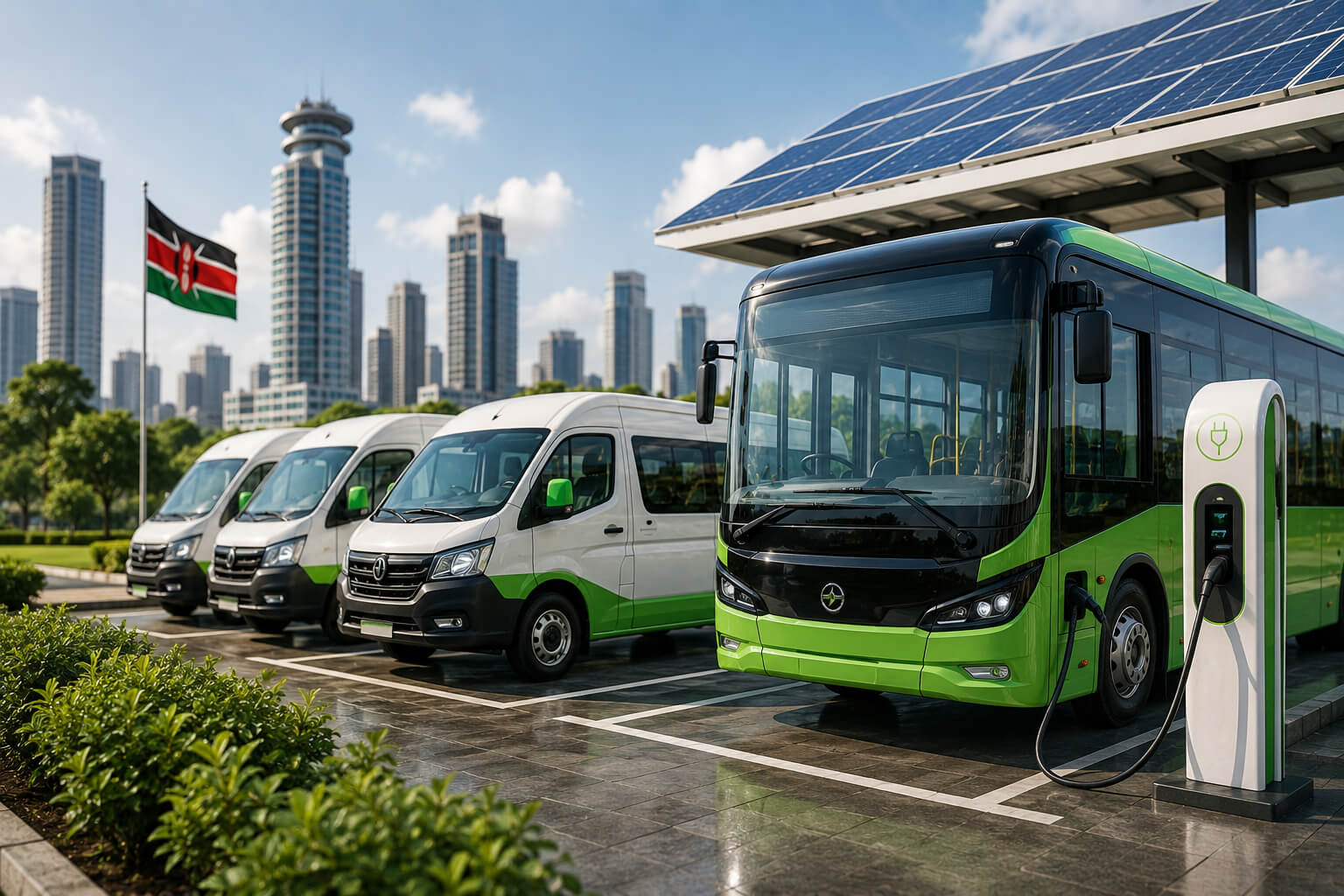
NCBA Group has partnered with BasiGo to support the financing of up to 1,000 electric vehicles in Kenya. The agreement is aimed at public transport operators, businesses, SACCOs and institutions that want to switch to electric vehicles without carrying the full purchase cost upfront.
That could matter more than it sounds. Electric mobility has already gained traction in Kenya, especially with motorcycles and public transport pilots. But scaling into larger commercial fleets requires much more capital. Buses, vans and fleet vehicles are expensive, and even operators who like the idea of electric transport may struggle with the initial cost.
NCBA Is Expanding Electric Vehicle Financing in Kenya
The new financing arrangement is designed to make electric vehicles easier to acquire through structured asset finance and leasing. Established public service vehicle SACCOs and PSV operators may access financing that covers up to 90% of the value of an electric vehicle, with repayment periods extending to 60 months.
Individual SACCO members may also qualify for financing of up to 80% over a period of 48 months. The financing package reportedly includes a discounted processing fee of 1.5%, giving operators another incentive to consider electric vehicles when replacing or expanding their fleets.
NCBA has already positioned sustainable mobility as a growing part of its lending strategy. The bank has committed billions of Kenyan shillings toward electric mobility and other green financing initiatives. The partnership with BasiGo gives that capital a direct route into commercial transport.
High Upfront Costs Still Slow Electric Vehicle Adoption
Electric vehicles can be cheaper to operate over time, but that does not remove the biggest obstacle facing many buyers. The purchase price remains high, particularly for commercial vehicles.
A transport operator has to think about much more than environmental benefits. Monthly repayments, charging costs, passenger income, maintenance, vehicle downtime and route performance all affect whether an electric vehicle makes financial sense.
That is why financing is becoming so important. Instead of paying the full cost at once, operators can spread the expense over several years. If electricity and maintenance costs remain below comparable diesel expenses, those savings could help balance the monthly loan repayments.
The model still needs to work in real conditions. Route length, battery performance, charging infrastructure and daily vehicle use will determine whether operators actually save money.
Kenya’s Electric Vehicle Market Is Growing Quickly
Kenya has already built one of East Africa’s most visible electric mobility markets. By the end of 2025, the country had more than 35,000 registered electric vehicles, according to industry figures cited in reports about the NCBA-BasiGo partnership.
Electric motorcycles make up a large share of that number. They have grown quickly because they are cheaper to finance and operate than larger vehicles. Commercial buses and vans, however, require much more investment.
That difference explains why banks are now becoming more involved. As electric mobility moves into heavier and more expensive vehicles, financing institutions will play a bigger role in determining how quickly adoption can grow.
BasiGo Is Expanding Beyond Electric Buses
BasiGo is already known for introducing electric buses into Kenya’s public transport sector, but its ambitions now extend beyond buses.
The company has been expanding its commercial vehicle range, including electric vans aimed at businesses and transport operators. One example is the BasiGo Ma3e electric van, which is being assembled locally in partnership with Associated Vehicle Assemblers in Mombasa.
Local assembly could become important for Kenya’s wider electric mobility industry. It creates opportunities for manufacturing, technical training, maintenance and local supply chains. It could also reduce dependence on fully imported vehicles over time.
BasiGo has also experimented with different ownership models. Its Pay-As-You-Drive system was developed to reduce the financial burden of battery ownership and connect some costs more closely with vehicle usage. The NCBA partnership adds another financing route for operators who prefer conventional bank lending or leasing.
Banks Are Becoming Part of Kenya’s EV Transition
Electric mobility is increasingly becoming a banking story.
Banks are beginning to treat electric vehicles as a serious asset-financing category rather than a small green experiment. KCB Group has previously worked with BasiGo on electric bus financing, while NCBA’s latest agreement brings another major lender deeper into the sector.
This is significant because large-scale adoption depends on more than manufacturers and charging companies. Financial institutions must also be willing to finance vehicles, understand their risks and become comfortable with their long-term resale value.
Electric vehicles present different questions for lenders. Battery degradation, charging access, maintenance costs and second-hand market values all affect lending risk. A programme involving up to 1,000 vehicles could generate valuable data for banks assessing those risks.
If repayment performance is strong, more lenders may follow.
Kenya’s Renewable Energy Mix Gives Electric Vehicles an Advantage
Kenya has another factor working in its favour. A large share of the country’s electricity comes from renewable sources such as geothermal, hydropower, wind and solar.
That makes electric mobility particularly interesting from a sustainability perspective. Switching vehicles from petrol or diesel to electricity can reduce dependence on imported fuel while increasing the use of domestically generated power.
The environmental benefit is stronger when the electricity used for charging comes from low-carbon energy sources. Kenya already has a relatively renewable-heavy electricity system compared with many other countries.
Still, the grid is only part of the equation. Electric vehicles also need reliable charging points in the right places.
Charging Infrastructure Will Need to Grow With the Fleet
Financing more electric vehicles will only work if charging infrastructure keeps pace.
Kenya Power has been developing electric vehicle charging facilities, while private operators such as BasiGo have also invested in charging infrastructure for commercial fleets. These efforts will become more important as the number of electric buses, vans and other vehicles increases.
Commercial transport creates a different charging challenge from private cars. A bus or delivery van may operate for many hours each day. Long charging delays can disrupt schedules, reduce revenue and make fleet operations more complicated.
For electric mobility to scale properly, vehicle financing and charging investment will need to grow together.
The 1,000-Vehicle Target Will Be an Important Test
The headline number is ambitious, but the real test will be what happens after the vehicles enter service.
The success of the NCBA-BasiGo partnership will depend on how many operators actually take up the financing and how well the vehicles perform under daily commercial use. Repayment rates will matter. Charging reliability will matter. So will maintenance, battery life and operating costs.
If operators manage to cut fuel and maintenance expenses while keeping repayments manageable, the model could attract more banks and fleet owners into electric mobility.
If costs rise or charging infrastructure becomes a bottleneck, adoption could slow.
That makes the 1,000-vehicle target more than a sales goal. It could become a useful benchmark for whether electric mobility in Kenya is ready to move from pilot projects into larger commercial deployment.
Electric Mobility in Kenya Is Entering a More Commercial Phase
Kenya’s electric vehicle market is beginning to look less experimental.
Manufacturers are expanding their vehicle ranges. Local assembly is growing. Banks are offering financing. Charging networks are developing. Transport operators are also becoming more familiar with the technology.
The NCBA and BasiGo partnership brings several of those pieces together.
For Kenya, the next stage of the electric mobility transition may not depend on whether electric vehicles work. That question is largely settled.
The more difficult question is whether they can work financially at scale.
This financing deal is one attempt to find out.
Sources
- African Sustainability Matters — Kenya’s electric mobility financing expands as NCBA and BasiGo target 1,000 electric vehicles.
- TechArena — NCBA, BasiGo Partner to Finance 1,000 Electric Vans in Kenya.
- TechMoran — NCBA, BasiGo Strike Deal to Finance 1,000 Electric Vehicles in Kenya.