
Saudi Arabia’s Red Sea tourism destination has reached a major energy milestone after bringing one of the world’s largest off-grid renewable utilities systems into commercial operation.
Red Sea Global and ACWA Power have confirmed the start of commercial operations for the infrastructure serving The Red Sea destination. The milestone formally begins a 25-year concession covering an integrated utilities network designed to operate independently from Saudi Arabia’s national electricity grid.
This is far more than a solar plant supporting a resort. The system combines renewable power generation, battery storage, desalination, wastewater treatment, district cooling and waste management as part of the destination’s core infrastructure.
A 340 MW Solar Plant Powers the Destination
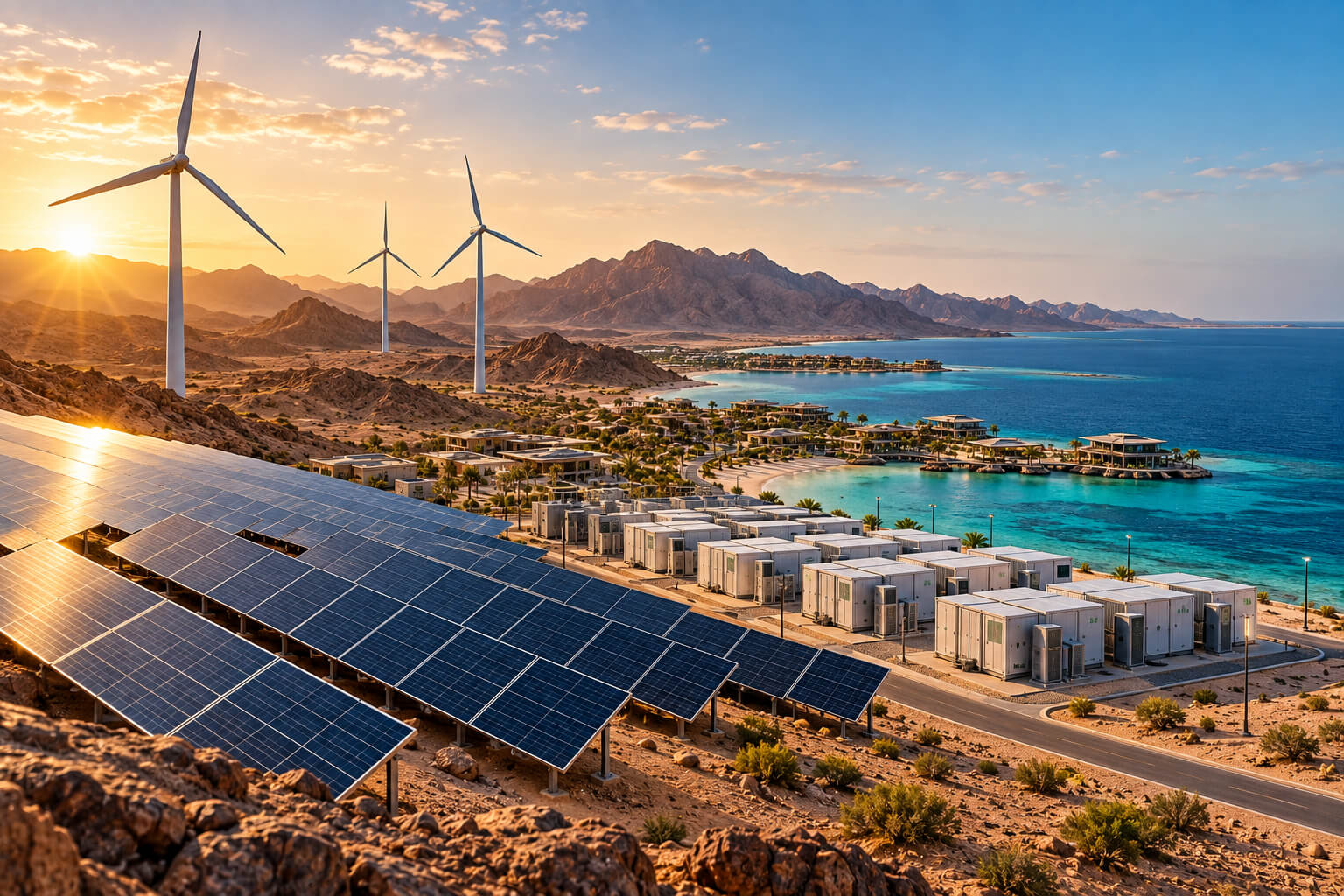
At the center of the project is a 340 MWac solar photovoltaic facility supplying renewable electricity across The Red Sea destination. The solar plant was built to support hotels, transport infrastructure, airport operations, staff facilities and other parts of the development without depending on a conventional grid connection.
The scale of the project makes it especially significant. Rather than using solar power as a supplementary source, the destination relies on renewable generation as a central part of its energy system. That approach gives the project a different profile from many hospitality developments that simply add rooftop solar or purchase renewable energy credits.
Battery Storage Keeps Power Flowing After Sunset
The solar facility is supported by a battery energy storage system with a capacity of around 1,227 MWh. The battery allows excess solar electricity generated during daylight hours to be stored and used when generation falls, including at night.
That storage capacity is essential because the destination operates independently from the national electricity grid. Hotels, airport systems, desalination facilities and other critical infrastructure need stable electricity around the clock, so battery storage plays a central role in maintaining continuous operations.
The project has been described as one of the largest off-grid battery storage installations in the world, highlighting how quickly large-scale batteries are becoming part of major infrastructure developments.
Renewable Energy Now Supports Hotels and Airport Operations
The off-grid system is already supplying renewable electricity to operating hotels, Red Sea International Airport, logistics facilities, staff accommodation and other destination infrastructure.
Electric vehicles operating within the development also draw power from the renewable energy system. This creates a broader clean-energy ecosystem rather than limiting renewable electricity to buildings alone.
The combination of hospitality, aviation, transport and residential demand also makes the project a practical test of whether a large standalone renewable network can handle very different energy requirements at the same time.
The System Could Generate 760,000 MWh Annually
At full operating capacity, the renewable energy system is expected to generate up to 760,000 MWh of clean electricity every year.
Project developers estimate that this level of renewable generation could help prevent roughly 600,000 tonnes of carbon dioxide emissions annually compared with conventional energy alternatives.
Those figures underline the scale of the development. The system is effectively functioning as dedicated energy infrastructure for an entire tourism destination, rather than as a limited sustainability project attached to a single hotel or facility.
Water and Cooling Are Also Part of the Project
The infrastructure extends well beyond electricity generation. The wider utilities network includes seawater desalination, wastewater treatment, district cooling and waste management.
Three seawater reverse-osmosis desalination plants are designed to supply potable water to the destination. Wastewater infrastructure also includes a treatment plant capable of processing around 16,000 cubic meters of sewage per day.
Treated wastewater can then be reused for landscaping, irrigation and environmental projects. This helps reduce the need for additional freshwater while supporting the destination’s broader sustainability plans.
District cooling forms another major part of the system. Centralized cooling can reduce the need for individual cooling equipment across hotels and facilities, while giving operators greater control over energy use.
ACWA Power Begins a 25-Year Concession
The commercial operation milestone officially starts a 25-year concession covering the integrated utilities project.
Marafiq Red Sea for Energy Company signed the Commercial Operation Certificate with Red Sea Utilities Company, a subsidiary of Red Sea Global. ACWA Power developed the project alongside partners including SPIC Huanghe Hydropower and Saudi Tabreed.
The long concession period shows that the infrastructure was designed as a permanent operating system rather than a short-term sustainability demonstration. The utility network will need to expand and adapt as additional hotels, facilities and visitor infrastructure open across The Red Sea destination.
Saudi Arabia Is Testing a New Sustainable Tourism Model
The project connects Saudi Arabia’s tourism ambitions with its wider push toward cleaner infrastructure.
Large tourism developments normally require significant amounts of electricity, particularly for cooling, water treatment, aviation facilities, transport and hotel operations. The Red Sea project takes a different approach by building renewable energy directly into the destination’s infrastructure from the beginning.
Instead of developing the destination first and adding sustainability measures later, Red Sea Global has treated energy, water and waste systems as part of the original development model.
That makes the project particularly relevant for future resorts, islands and remote developments where extending conventional grid infrastructure may be expensive, difficult or environmentally disruptive.
The Red Sea Moves From Sustainability Promise to Real Operations
Many large developments announce ambitious sustainability targets years before they become operational. The Red Sea project has now moved beyond that stage.
Its solar facilities are generating power, its battery system is storing electricity, and the destination’s hotels, airport and support infrastructure are already using the renewable utilities network.
That operational shift may be the project’s most important milestone. The Red Sea is no longer simply presenting a renewable energy plan. It is demonstrating how solar generation, battery storage, water infrastructure and cooling systems can work together at commercial scale.
The project could become an important reference point for developers looking to build large destinations with lower reliance on conventional energy infrastructure.
Sources
ACWA Power:
https://www.acwapower.com/en/what-we-do/projects/marafiq-red-sea-project/
Arab News:
https://www.arabnews.com/